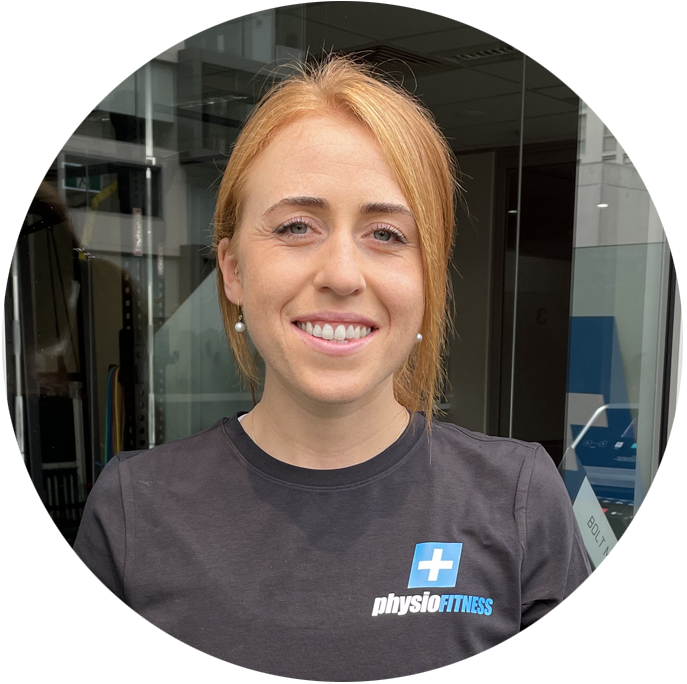
PAMELA WOLFE
B.Sc (Hons) Physio, B.Sc.HPS, APAM
Senior Physiotherapist

Pam is a Physiotherapist from the south coast of Ireland. She is an Australian Registered Physiotherapist, and a member of the Australian Physiotherapy Association. Pam completed a bachelor’s degree in health and performance science before pursuing a career in Physiotherapy.
Pam likes to use a combination of dry needling, hands-on therapy, exercise rehabilitation, and education to optimise her patients’ recovery, and help get them back doing what is important to them. She adopts a holistic and whole-person approach to rehabilitation to help her clients achieve the best possible outcomes.
Pam grew up playing competitive hockey and sailing from a young age. Now she has a keen interest in running and getting out in nature. With a love for sport and exercise, she is passionate about helping people keep moving and doing what they enjoy. Pam appreciates the importance of staying strong and fit to get the most out of your sport, stay active, and keep up with life’s everyday demands.
Pam is training to become a certified running coach with Athletics Australia to help coach her clients back from injury to running success.
Pam is training to become a certified running coach with Athletics Australia to help coach her clients back from injury to running success.
Professional ProfilePam graduated from The Royal College of Surgeons in Ireland with a Bachelor of Physiotherapy with Honours. Pam also completed a Bachelor of Science in Health and Performance Science, at University College Dublin.
Pam has experience working in a wide range of clinical settings, including Private Practice, Orthopaedic Rehab, Neuro Rehab, Aged-Care Rehab, and acute hospital settings. Pam is trained in Clinical and Reformer Pilates, and in Dry Needling.
Specialties and Interests Running Related Injuries Ankle and Foot Injuries and Surgery Hip Pain and Rehabilitation Running Related Injuries Ankle and Foot Injuries and Surgery Hip Pain and Rehabilitation Biomechanical Gait and Running Analysis Strength and Conditioning Dry Needling Lumbar Spine Core Strength and Stability Neck and Back Pain Biomechanical Gait and Running Analysis Strength and Conditioning Dry Needling Lumbar Spine Core Strength and Stability Neck and Back Pain |
Read Pam's Latest Articles

|
Achilles Pain ExplainedWhy It Happens and What You Can Do About ItExperiencing Achilles pain or morning stiffness? Senior Physiotherapist Pamela Wolfe explains why Achilles tendinopathy develops, how to manage training load and why progressive strengthening is central to recovery. by Pamela Wolfe 30 Aug 2026 |
|
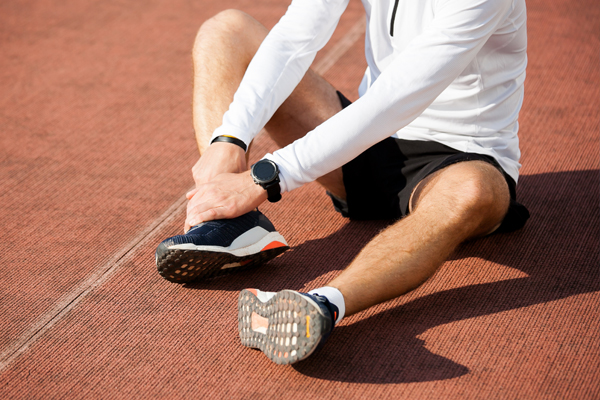
The 3 Pillars of Ankle Sprain RehabWhy Regaining Mobility, Strength, and Stability After an Ankle Sprain Is EssentialLateral ankle sprains are among the most common musculoskeletal injuries in both sport and everyday life. While sprains vary in severity—from mild stretching of the ligaments to complete ruptures—the majority can be managed conservatively with appropriate rehabilitation. In some cases, however, severe injuries may require surgical intervention. by Pamela Wolfe 15 Dec 2025 |
|
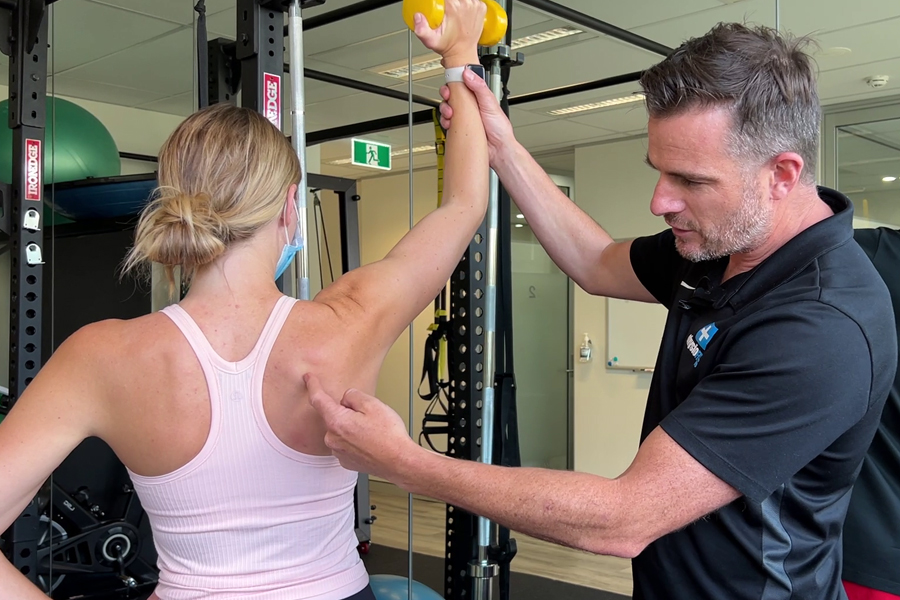
What is the Rotator Cuff?And why do Physios care about it so much?I’m sure you’ve all heard of the rotator cuff and how important it is to keep it strong. But do we really know why it is so important? In this blog I am going to take you through the fundamentals of our shoulder anatomy and biomechanics, and the role of the rotator cuff in shoulder health and function. We will discuss what happens if there is a muscle imbalance or a mismatch in strength between the major shoulder muscles. by Pamela Wolfe 27 Jul 2025 |
|
Are You Run Ready?Strength and Mobility Secrets for Prevention of Common Running Injuries and Optimising Performance.Running is a fantastic sport, but as many of us are aware, it can be highly demanding on our bodies. We see many running related injuries in the clinic such as patellofemoral pain; ITB pain; anterior hip pain; lateral hip pain; and achilles tendon pain. A common theme we see accompany these injuries is that those presenting with them are not following an appropriate strengthening and mobility plan to accompany their running. In particular a lack of single leg strengthening and control work, and an appropriate mobility regime. by Pamela Wolfe 12 Mar 2025 |

|
Returning to Weight Training after an InjuryThe 8 Important Steps for SuccessReady to get back to weight training but not sure where to start? We’re here to help! There is a certain amount of uncertainty when it comes to returning to lifting weights after an injury. Knowing what to do can be a grey area for most. And although it’s a good idea to rest an injury initially, there comes a time in your rehab journey when returning to resistance training can benefit your recovery further. Knowing how to do this will be key to success – it will help reduce the risk of re-injury and help you get back doing what you love. by Pamela Wolfe 24 Oct 2024 |