Stiff Lower Back in the Morning? Stretch Your Back in 10 Minutes
A physio-designed routine to reduce back stiffness and get moving again
by Tim Keeley08 Feb 2026
If it’s February and you’re still waking up with a stiff, sore, or tight lower back, you’re not alone.
Many people expect back stiffness that started over the holiday period to simply fade away once life returns to normal. But weeks later, the back still feels restricted first thing in the morning, slow to loosen up, and not quite reliable.
The good news is that for most people, this isn’t a serious injury.
👉 It’s usually lower back stiffness caused by muscle tightness, reduced movement, and deconditioning — and the right type of movement is often the missing piece.
This 10-minute morning routine is designed to help loosen your back safely, reduce stiffness, and help you move better throughout the day.
Why Your Lower Back Feels Stiff in the Morning
A stiff lower back in the morning is extremely common, especially after periods of reduced activity or disrupted routines.
The most common reasons include:
Muscles tightening and guarding overnight
Reduced spinal movement during sleep
Increased disc hydration while lying down
Loss of conditioning after time off exercise
That’s why many people notice this pattern:
Very stiff on waking
Gradually improves with movement
Tight again the next morning
This tells us the back usually needs specific, controlled movement, not rest.

Why Morning Lower Back Stiffness Doesn’t Fix Itself
A common mistake is assuming stiffness will resolve on its own once you’re “back into routine.”
But stiffness often lingers because:
Muscles stay guarded
Joints don’t move through full range
Disc pressure isn’t managed properly
Exercise resumes without preparation
Without addressing these factors, the back can stay stuck in a stiffness cycle — especially in the mornings.
Who This 10-Minute Back Routine Is For
This routine is suitable if:
Your main issue is stiffness or tightness
Symptoms improve as the day goes on
You feel restricted rather than sharp pain
Stiffness started after time off, travel, or reduced exercise
This routine is not appropriate if you have:
Severe or worsening pain
Progressive leg pain, numbness, or weakness
Constant or night pain
Recent trauma or injury
If you’re unsure, a physiotherapy assessment is the safest next step.
10-Minute Morning Stretch Routine for Lower Back Stiffness
This routine uses four complementary movements:
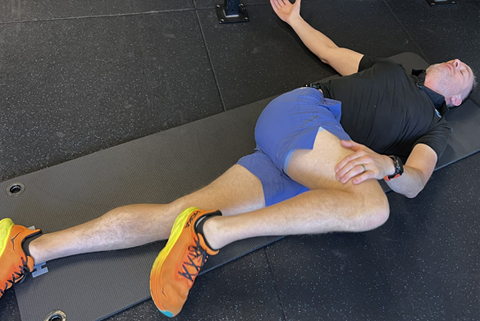
1. Lumbar Rotation
Rotation is often the easiest way to introduce movement when bending feels restricted.
How to do it:
Lie on your back
One leg straight, one knee bent
Gently rotate the bent leg across your body
Use your opposite hand for light over-pressure if comfortable
Reach your top arm away to increase upper-back rotation
What you should feel:
Stretch through the glutes
Gentle rotation through the lower and mid-back
Dosgae: Hold 1 minute each side
2. Pelvic Tilts (Supine)
This exercise helps release tight lower back muscles without forcing forward bending.
How to do it:
Lie on your back in a neutral position
Slowly tilt your pelvis so your lower back presses into the floor
Relax and return to neutral
Keep the movement passive and controlled
Key cues:
No sit-ups or crunching
Minimal abdominal effort
Light heel pressure if it helps
Dosgae: 10 reps, 2–3 sets
3. McKenzie Extension (Lying)
Even when stiffness feels like the main problem, extension is important — especially if disc sensitivity is contributing.
How to do it:
Lie on your stomach
Hands under shoulders
Press up while keeping hips relaxed on the floor
Pause for 2 seconds at the top
What’s normal:
Tightness
Stretching sensation
What’s not:
Sharp pain
Increasing leg symptoms
Dosgae: 10 reps, up to 3 sets if tolerated
4. Cat–Cow
This adds controlled flexion and extension without loading the spine — ideal first thing in the morning.
How to do it:
Start on all fours
Drop your belly and allow full extension
Then round your spine by engaging glutes and abdominals
Tuck pelvis under and move into comfortable flexion
Focus on:
Slow, controlled movement
Muscle stretch, not pain
Full range without forcing
Dosgae: 10 reps, up to 3 sets if tolerated
How Often Should You Do These Lower Back Stretches?
For best results, perform daily while stiffness persists. Prioritise the morning and stay consistent for at least 1–2 weeks
Most people notice easier movement on waking, less stiffness through the day and improved confidence returning to exercise
Why Stretching Alone Isn’t the Long-Term Fix
Stretching helps you feel looser, reduce stiffness and move more comfortably. But it doesn’t fix the underlying cause, which is usually:
Deconditioning
Reduced spinal control
That’s why many people feel better — then flare up again once they return to gym or sport.
Get Your Back Properly Back on Track
Stretching helps short term, Rehabilitation keeps you better long term.
If your back still doesn’t feel right, or you’re unsure how to safely return to training, a structured physiotherapy rehab plan can help rebuild strength, control, and confidence properly.
Your back doesn’t need more time. It needs the right movement and the right plan.
FAQ's About Morning Back Stiffness
Why is my lower back stiff in the morning but better later? Overnight inactivity increases muscle stiffness and disc hydration. Movement during the day helps restore normal motion and reduce muscle guarding.
Should I stretch my lower back first thing in the morning? Yes — as long as the stretches are gentle, unloaded, and controlled. Avoid heavy lifting or deep bending early in the day.
How long does morning lower back stiffness last? If caused by stiffness or deconditioning, it often improves within 1–2 weeks with consistent movement. Persistent or worsening symptoms should be assessed by a Physiotherapist.
👉 Book your consultation today or call us on (02) 9389 9100 to start your recovery.

Many people expect back stiffness that started over the holiday period to simply fade away once life returns to normal. But weeks later, the back still feels restricted first thing in the morning, slow to loosen up, and not quite reliable.
The good news is that for most people, this isn’t a serious injury.
👉 It’s usually lower back stiffness caused by muscle tightness, reduced movement, and deconditioning — and the right type of movement is often the missing piece.
This 10-minute morning routine is designed to help loosen your back safely, reduce stiffness, and help you move better throughout the day.
Why Your Lower Back Feels Stiff in the Morning
A stiff lower back in the morning is extremely common, especially after periods of reduced activity or disrupted routines.
The most common reasons include:
That’s why many people notice this pattern:
Why Morning Lower Back Stiffness Doesn’t Fix Itself
A common mistake is assuming stiffness will resolve on its own once you’re “back into routine.”
But stiffness often lingers because:
Who This 10-Minute Back Routine Is For
This routine is suitable if:
10-Minute Morning Stretch Routine for Lower Back Stiffness
This routine uses four complementary movements:
1. Rotation
2. Gentle flexion
3. Extension
4. Unloaded spinal movement
2. Gentle flexion
3. Extension
4. Unloaded spinal movement
1. Lumbar Rotation
Rotation is often the easiest way to introduce movement when bending feels restricted.
How to do it:
|
|
2. Pelvic Tilts (Supine)
This exercise helps release tight lower back muscles without forcing forward bending.
How to do it:
|
|
3. McKenzie Extension (Lying)
Even when stiffness feels like the main problem, extension is important — especially if disc sensitivity is contributing.
How to do it:
|
|
4. Cat–Cow
This adds controlled flexion and extension without loading the spine — ideal first thing in the morning.
How to do it:
|
|
How Often Should You Do These Lower Back Stretches?
For best results, perform daily while stiffness persists. Prioritise the morning and stay consistent for at least 1–2 weeks
Most people notice easier movement on waking, less stiffness through the day and improved confidence returning to exercise
Why Stretching Alone Isn’t the Long-Term Fix
Stretching helps you feel looser, reduce stiffness and move more comfortably. But it doesn’t fix the underlying cause, which is usually:
Get Your Back Properly Back on Track
Stretching helps short term, Rehabilitation keeps you better long term.
If your back still doesn’t feel right, or you’re unsure how to safely return to training, a structured physiotherapy rehab plan can help rebuild strength, control, and confidence properly.
Your back doesn’t need more time. It needs the right movement and the right plan.
FAQ's About Morning Back Stiffness
Why is my lower back stiff in the morning but better later? Overnight inactivity increases muscle stiffness and disc hydration. Movement during the day helps restore normal motion and reduce muscle guarding.
Should I stretch my lower back first thing in the morning? Yes — as long as the stretches are gentle, unloaded, and controlled. Avoid heavy lifting or deep bending early in the day.
How long does morning lower back stiffness last? If caused by stiffness or deconditioning, it often improves within 1–2 weeks with consistent movement. Persistent or worsening symptoms should be assessed by a Physiotherapist.
👉 Book your consultation today or call us on (02) 9389 9100 to start your recovery.
B.Phty, Crd. MDT, APAM
Principal Physiotherapist
Principal Physiotherapist