AC Joint Injury Rehabilitation: From Impact to Full Recovery
Why Rehabilitation Is Essential After an AC Joint Injury
by Kristin Cameron03 Mar 2026
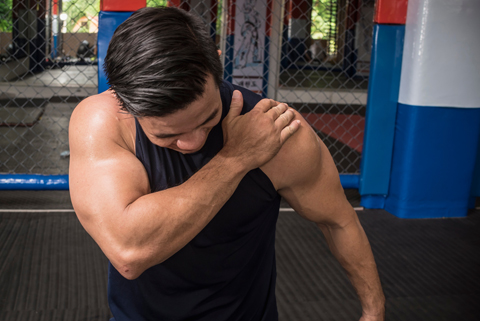
The acromioclavicular (AC) joint sits at the top of the shoulder, connecting the acromion (part of the shoulder blade) to the clavicle (collarbone). Although small, this joint plays a major role in transferring load from the arm to the trunk — particularly during lifting, pushing and overhead movement.
Because of this load-transfer role, the AC joint absorbs significant force during falls, collisions and repetitive overhead activity.
AC joint injuries are common in contact sports, overhead athletes, cyclists and even during simple everyday falls.
Most Common Mechanisms of AC Joint Injury
AC joint injuries most often occur from:
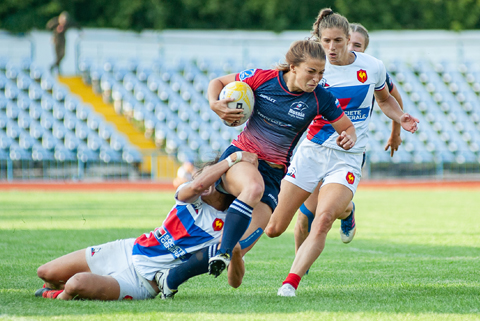
Falling directly onto the point of the shoulder (common in football, rugby, cycling and skiing)
A direct blow during contact sport
Landing on an outstretched arm
Heavy or repetitive overhead lifting
Repetitive overhead sport (e.g. tennis, volleyball, CrossFit)
The severity of injury depends on the force of impact and the position of the shoulder at the time.
Proper rehabilitation is essential to restore strength, mobility and shoulder control, and to reduce the risk of reinjury.
What Is an AC Joint Injury?
An AC joint injury occurs when the ligaments that stabilise the joint are overstretched or torn, usually following a direct impact to the shoulder or force across the body.
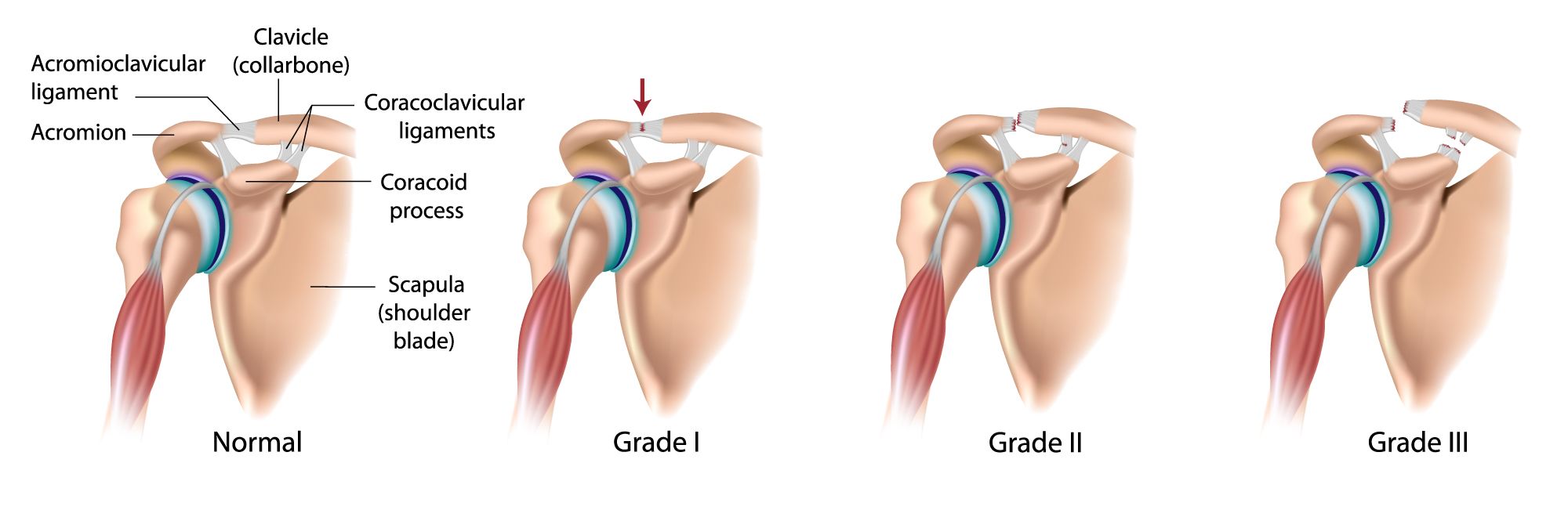
Physiotherapists classify AC joint injuries using the Rockwood classification, which guides management decisions and recovery timelines.
AC Joint Injury Grades (Rockwood Classification)
Commonly Seen Grades:
Grade I:
Mild sprain or stretching of the AC ligaments (no visible separation).
Grade II:
Partial tear with mild joint instability.
Grade III:
Complete rupture of the AC ligaments with visible separation.
These three grades account for the majority of AC joint injuries seen in clinic.
Less Common, Higher-Grade Injuries:
Grade IV:
Clavicle displaced backwards into surrounding tissue.
Grade V:
Significant upward displacement with major ligament disruption.
Grade VI:
Rare injury where the clavicle is displaced downward.
Grades IV–VI are uncommon and typically require orthopaedic review. Surgical management is more frequently considered due to the degree of structural disruption.
Why AC Joint Rehabilitation Matters
After an AC joint injury, the muscles around the shoulder often weaken and movement patterns change. Without a structured rehabilitation program, muscle imbalances and persistent instability can increase the risk of ongoing pain — particularly when returning to sport or heavy overhead tasks.
Rehabilitation introduces the right amount of load at the right time to:
Promote tissue healing
Restore strength and range of motion
Rebuild shoulder stability
Optimise neuromuscular control
Phases of AC Joint Rehabilitation
A structured approach ensures safe and progressive recovery.
1. Acute Phase (Early Protection)
Goals:
Reduce pain and inflammation
Protect the AC joint
Maintain pain-free movement
Management:
Activity modification (avoid heavy lifting and cross-body movements)
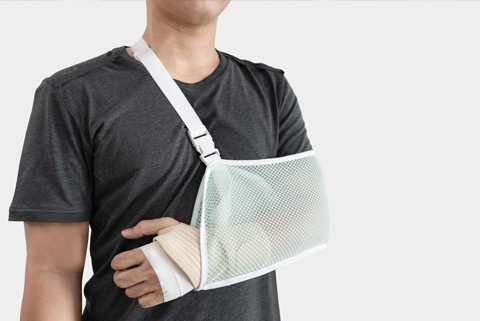
Short-term sling use (if required)
Ice for symptom relief
Gentle range-of-motion exercises within pain-free limits
Example Exercises:
Pendulum shoulder swings
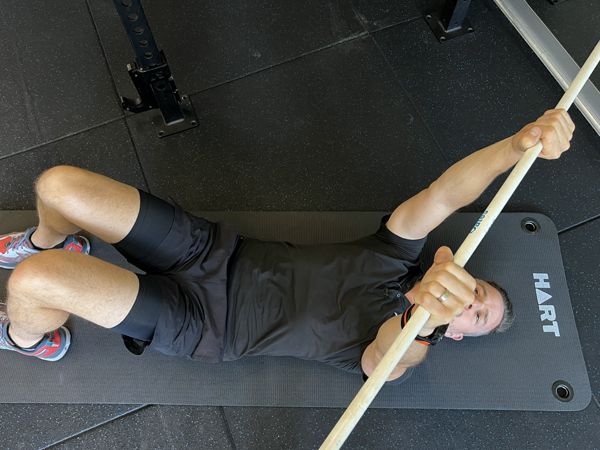
Assisted shoulder flexion and abduction
2. Intermediate Phase (Restore Motion & Strength)
Goals:
Reduce pain and inflammation
Protect the AC joint
Maintain pain-free movement
Management:
Activity modification (avoid heavy lifting and cross-body movements)
Short-term sling use (if required)
Ice for symptom relief
Gentle range-of-motion exercises within pain-free limits
Example Progressions:
Pendulum shoulder swings
Assisted shoulder flexion and abduction
3. Strength & Functional Control Phase
Goals:
Build strength, power and dynamic stability
Prepare for return to work or sport
Improve neuromuscular control under load
Management:
Progressive resistance training
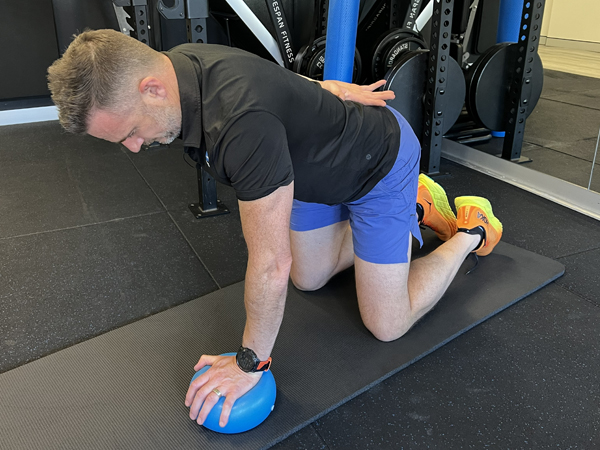
Closed-chain shoulder work
Controlled plyometric drills (when appropriate)
Gradual exposure to sport-specific movements
Example Activities:
Dumbbell and barbell strengthening
Controlled plyometric throws and catches
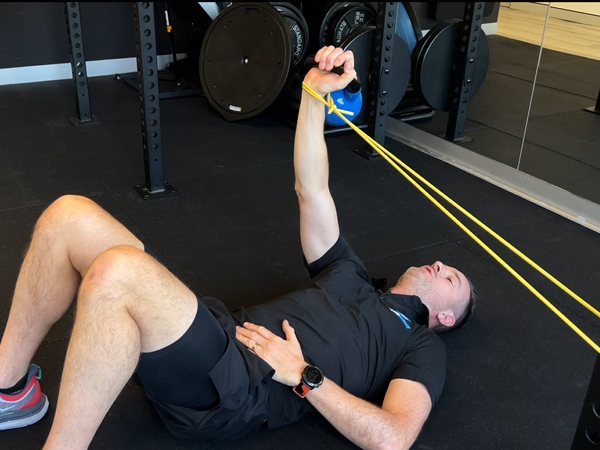
Upper limb perturbation drills
Overhead strength progressions
When Am I Ready to Return to Sport?
Returning to sport isn’t based purely on time, it’s based on meeting specific functional criteria.
Your physiotherapist may assess:
Full pain-free range of motion
Symmetrical upper limb strength
Ability to perform overhead movements without compensation
Functional strength testing (e.g. push-up capacity, resisted cross-body movements)
Sport-specific loading drills
For contact athletes, we also consider:
Confidence during impact simulation
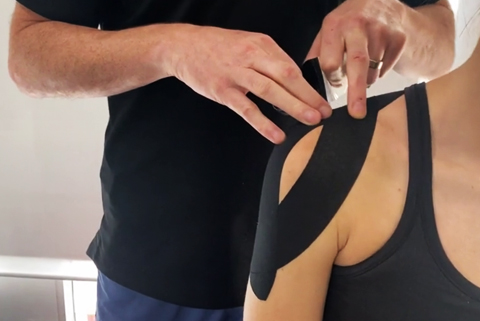
Protective taping strategies
Shoulder padding modifications where appropriate
Functional strength testing (e.g. push-up capacity, resisted cross-body movements)
Sport-specific loading drills
A gradual return-to-sport plan is critical to avoid reinjury during the vulnerable reloading phase.
AC Joint Injury Recovery Time
Recovery depends on injury severity and individual healing response:
Grade I: 1–4 weeks
Grade II: 4–8 weeks
Grade III: 8–12+ weeks
Higher-grade or surgical cases: Often longer
These timeframes reflect tissue healing, not necessarily full functional recovery. Progression should be guided by strength, control and symptom response, not just calendar weeks.
Tips for a Successful Recovery
Progress gradually and respect pain signals
Avoid sharp or worsening pain during exercises
Prioritise consistency over intensity
Maintain overall conditioning where possible
Early Assessment Matters
Early physiotherapy assessment can significantly influence recovery outcomes.
Accurate injury grading, appropriate early load management and a structured rehabilitation plan help prevent prolonged pain, weakness and recurrent instability.
Waiting for symptoms to “settle on their own” can delay recovery and lead to compensatory movement patterns.
If you suspect an AC joint injury, early professional guidance ensures you’re on the right path, whether your goal is returning to everyday activity or competitive sport.
👉 Book your consultation today or call us on (02) 9389 9100 to start your recovery.
Because of this load-transfer role, the AC joint absorbs significant force during falls, collisions and repetitive overhead activity.
AC joint injuries are common in contact sports, overhead athletes, cyclists and even during simple everyday falls.
Most Common Mechanisms of AC Joint Injury
AC joint injuries most often occur from:
The severity of injury depends on the force of impact and the position of the shoulder at the time.
Proper rehabilitation is essential to restore strength, mobility and shoulder control, and to reduce the risk of reinjury.
What Is an AC Joint Injury?
An AC joint injury occurs when the ligaments that stabilise the joint are overstretched or torn, usually following a direct impact to the shoulder or force across the body.
Physiotherapists classify AC joint injuries using the Rockwood classification, which guides management decisions and recovery timelines.
AC Joint Injury Grades (Rockwood Classification)
Grade I:
Mild sprain or stretching of the AC ligaments (no visible separation).
Grade II:
Partial tear with mild joint instability.
Grade III:
Complete rupture of the AC ligaments with visible separation.
These three grades account for the majority of AC joint injuries seen in clinic.
Less Common, Higher-Grade Injuries:
Grade IV:
Clavicle displaced backwards into surrounding tissue.
Grade V:
Significant upward displacement with major ligament disruption.
Grade VI:
Rare injury where the clavicle is displaced downward.
Grades IV–VI are uncommon and typically require orthopaedic review. Surgical management is more frequently considered due to the degree of structural disruption.
Why AC Joint Rehabilitation Matters
After an AC joint injury, the muscles around the shoulder often weaken and movement patterns change. Without a structured rehabilitation program, muscle imbalances and persistent instability can increase the risk of ongoing pain — particularly when returning to sport or heavy overhead tasks.
Rehabilitation introduces the right amount of load at the right time to:
Phases of AC Joint Rehabilitation
A structured approach ensures safe and progressive recovery.
1. Acute Phase (Early Protection)
Goals:
2. Intermediate Phase (Restore Motion & Strength)
Goals:
3. Strength & Functional Control Phase
Goals:
When Am I Ready to Return to Sport?
Returning to sport isn’t based purely on time, it’s based on meeting specific functional criteria.
Your physiotherapist may assess:
AC Joint Injury Recovery Time
Recovery depends on injury severity and individual healing response:
Tips for a Successful Recovery
Early Assessment Matters
Early physiotherapy assessment can significantly influence recovery outcomes.
Accurate injury grading, appropriate early load management and a structured rehabilitation plan help prevent prolonged pain, weakness and recurrent instability.
Waiting for symptoms to “settle on their own” can delay recovery and lead to compensatory movement patterns.
If you suspect an AC joint injury, early professional guidance ensures you’re on the right path, whether your goal is returning to everyday activity or competitive sport.
👉 Book your consultation today or call us on (02) 9389 9100 to start your recovery.
B.Phty (Cred), APAM
Senior Physiotherapist
Senior Physiotherapist

BONDI JUNCTIONSPORTS INJURY AND POST-OPERATIVE REHAB |
CLINIC HOURSMonday: 8am - 7pmTuesday: 7:30am - 7pmWednesday: 8am - 6pmThursday: 8am - 7pmFriday: 7:30am - 5pmSat/Sun: Closed |

Suite 602 / 26-30 Spring St
|