
ACL Injury Prevention for Sport
6 Key Exercises to Reduce Knee Injury Risk
by Tim Keeley20 May 2026
Why ACL Injuries Are So Common in Sport
ACL injuries are among the most common and serious knee injuries seen in sport, particularly in activities involving jumping, landing, pivoting, twisting and rapid changes of direction.
Sports such as skiing, snowboarding, rugby, netball and basketball place significant load through the knee joint, especially during deceleration, cutting and awkward landings. Many ACL injuries occur without direct contact and are often linked to poor lower limb control, reduced strength, fatigue or compromised movement mechanics.
A structured injury prevention program focusing on strength, landing mechanics, balance and hip control can significantly reduce ACL injury risk and improve athletic resilience.
Common Mechanisms of ACL Injury
ACL injuries commonly occur during:
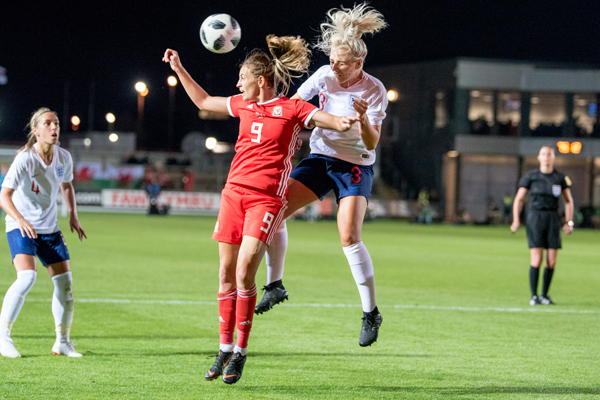
Sport-Specific Examples
Skiing & Snowboarding
Rugby and Football
Netball & Basketball
Predisposing Factors for ACL Injury
Several factors can increase ACL injury risk.Reduced Glute Strength
Weak gluteal muscles reduce hip stability and increase knee valgus (inward knee collapse).
Poor Landing Mechanics
Stiff or uncontrolled landing patterns increase ACL loading.
Reduced Single-Leg Stability
Poor balance and control increase instability during cutting and landing tasks.
Reduced Hamstring Strength
The hamstrings play a major role in protecting the ACL by resisting forward translation of the tibia.
Fatigue
As fatigue develops, movement quality and neuromuscular control decline.
Previous Injury
Prior knee or ankle injuries may alter movement mechanics and increase reinjury risk.
Limited Hip or Ankle Mobility
Prior knee or ankle injuries may alter movement mechanics and increase reinjury risk.
Movement restrictions can compromise lower limb alignment and force absorption.
Why ACL Prevention Training Matters
Research consistently shows that structured ACL prevention programs can significantly reduce injury risk.
The goal is not simply strengthening the knee, but improving:
6 Key Exercises for ACL Injury Prevention
A structured approach ensures safe and progressive recovery.
1. Banded Nordic Hamstring Lowers
Why It Helps
Nordic exercises develop eccentric hamstring strength, which plays a critical role in protecting the ACL during sprinting, landing and deceleration.
Using a resistance band assists the movement and allows better control through range.
Focus
Maintain hip extension and control the lowering phase slowly without collapsing forward.
|
|
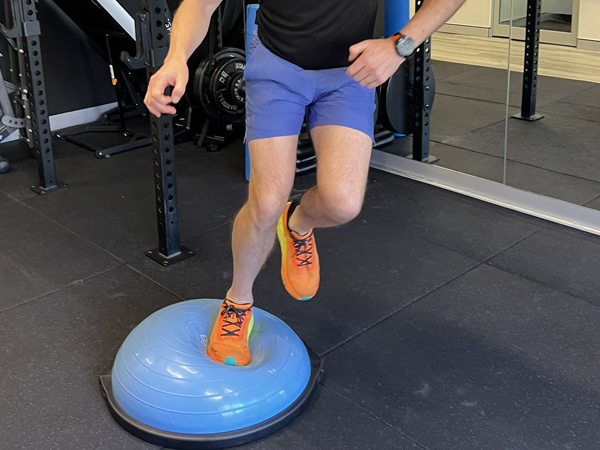
2. Skier Squat on BOSU
Why It Helps
This exercise challenges lower limb alignment, dynamic balance and rotational knee control in a skiing-specific position.
The unstable BOSU surface increases proprioceptive demand and improves hip, knee and ankle coordination.
Focus
Maintain knee alignment over the foot and avoid inward knee collapse throughout the movement.
|
|
3. Medial & Lateral Ladder Hops
Why It Helps
Ladder hops improve foot speed, reactive control and frontal plane knee stability during dynamic movement.
They help train rapid force absorption and directional control required during sport.
Focus
Stay light on the feet while maintaining knee control and avoiding excessive trunk sway.
|
|
4. Single Leg Deadlift
Why It Helps
Single leg deadlifts improve posterior chain strength, hip stability and single-leg balance.
This exercise is highly effective for improving lower limb control during running, landing and change of direction tasks.
Focus
Keep the pelvis level and maintain a straight line through the trunk and rear leg.
|
|
5. Step Down with Lateral Band
Why It Helps
This exercise targets glute medius strength and improves knee alignment during single-leg loading.
The lateral resistance band increases demand on hip control and frontal plane stability.
Focus
Control the lowering phase and prevent the knee collapsing inward against the band resistance.
|
|
6. Box Hop Down with Medial & Lateral Single Leg Jump
Why It Helps
This advanced plyometric drill develops landing mechanics, force absorption and dynamic knee stability under high load.
It closely replicates the deceleration and side-to-side control demands seen in skiing, rugby, basketball and netball.
Focus
Land softly with knee alignment maintained and control the side jump without excessive trunk movement.
|
|
How Often Should You Perform ACL Prevention Exercises?
ACL prevention exercises should ideally be performed:When Should You Start ACL Prevention Training?
The ideal time to begin ACL prevention training is before the sporting season begins.This is particularly important before:
Early Physiotherapy Assessment Can Identify Risk Factors
A Physiotherapist can assess:Whether preparing for winter sports or returning to court or field-based competition, structured ACL prevention training can play a major role in keeping you healthy, strong and performing at your best.
Final Thoughts
ACL injury prevention is not about one single exercise — it is about building stronger movement patterns, improving lower limb control and preparing the body for the demands of sport.Adding targeted stability, landing and control exercises into an existing strength program can significantly improve athletic resilience and reduce injury risk.
Consistency, progressive loading and good technique are critical. The goal is not simply stronger muscles, but better control under speed, fatigue and dynamic sporting environments.
If you have a history of knee injury, instability or are preparing for a ski season or sporting competition, structured physiotherapy assessment and individualised programming can help identify weaknesses and improve performance safely.
👉 Book your consultation today or call us on (02) 9389 9100 to start your recovery.

B.Phty, Cred MDT, APAM
Principal Physiotherapist
Principal Physiotherapist

BONDI JUNCTIONSPORTS INJURY AND POST-OPERATIVE REHAB |
CLINIC HOURSMonday: 8am - 7pmTuesday: 7:30am - 7pmWednesday: 8am - 6pmThursday: 8am - 7pmFriday: 7:30am - 5pmSat/Sun: Closed |

Suite 602 / 26-30 Spring St
|